
What Austin Landlords Need to Know in 2026
The Austin rental market continues to evolve, and 2026 presents both opportunities and challenges for local property owners. Whether you own a single rental home in Southwest Austin, multiple properties in Dripping Springs, or an investment portfolio across Central Texas, staying informed can help you maximize rental income, reduce vacancy, and protect your investment.
Here’s what Austin landlords need to know in 2026.
1. Rental Demand Remains Strong, But Tenants Have More Choices
After years of rapid growth, Austin's housing market has entered a more balanced phase. While population growth continues to fuel demand for rental housing, increased housing inventory means renters have more options than they did just a few years ago.
This means landlords should focus on:
- Competitive rental pricing
- Professional marketing
- Fast response times to inquiries
- Well-maintained properties
- Tenant-friendly lease terms
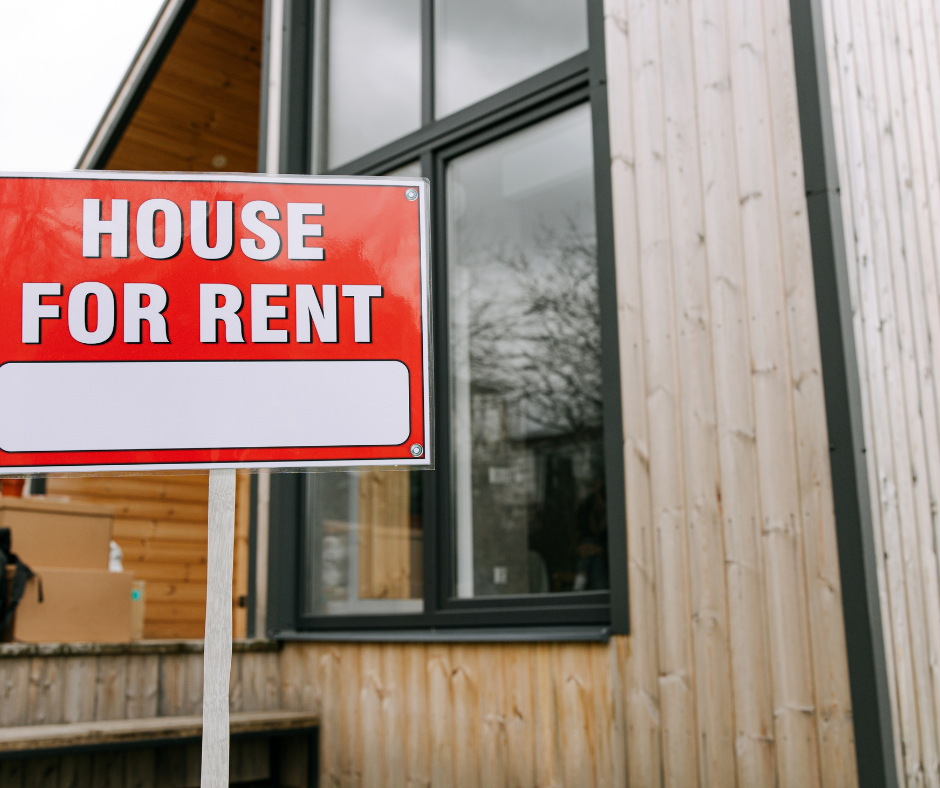
Properties that are priced correctly and professionally presented continue to lease quickly, while overpriced homes often sit vacant longer.
Landlord Tip:
A two-week vacancy can cost far more than a small rent adjustment.
2. Professional Photos Matter More Than Ever
Today's renters begin their search online. Listings with high-quality photography consistently receive more views, more inquiries, and better-qualified applicants.
Before listing your property:
- Complete all maintenance items
- Deep clean the home
- Improve curb appeal
- Stage key rooms if possible
- Invest in professional photography
A strong first impression can dramatically reduce vacancy time.

3. Maintenance Costs Continue to Rise
Inflation and labor shortages continue to impact repair and maintenance costs across Central Texas.
Austin landlords should budget annually for:
- HVAC repairs and replacement
- Plumbing issues
- Roof maintenance
- Landscaping
- Appliance replacement
- General wear and tear
Many landlords underestimate ongoing maintenance expenses, which can lead to deferred repairs and tenant dissatisfaction.
Best Practice:
Set aside approximately 1%–2% of your property's value annually for maintenance and capital improvements.

4. Preventive Maintenance Saves Money
The most expensive repairs are often the ones that could have been prevented.
Routine inspections can identify issues before they become major expenses:
- HVAC servicing
- Roof inspections
- Plumbing checks
- Gutter cleaning
- Foundation monitoring
- Water leak detection
Preventive maintenance protects your property while helping tenants feel cared for and valued.

5. Tenant Screening Is Still Your Best Risk Management Tool
The quality of your tenant has a direct impact on your property's performance.
Effective tenant screening should include:
- Credit review
- Income verification
- Employment verification
- Rental history review
- Background screening
- Eviction history review
A thorough screening process can help reduce late payments, lease violations, and costly turnovers.

6. Lease Compliance and Documentation Matter
Texas remains landlord-friendly compared to many states, but landlords must still follow all applicable federal, state, and local regulations.
Good documentation should include:
- Signed lease agreements
- Move-in condition reports
- Inspection records
- Maintenance records
- Tenant communications
- Renewal documentation
Clear records can help protect landlords if disputes arise.

7. Energy Efficiency Is Becoming a Competitive Advantage
Many Austin renters actively look for homes that help reduce utility costs.
Popular upgrades include:
- Smart thermostats
- LED lighting
- Energy-efficient appliances
- Updated insulation
- Solar screens
- Water-saving fixtures
These improvements can make your property more attractive while potentially reducing long-term operating costs.
8. Tenant Retention Is Often More Profitable Than Turnover
Finding a new tenant is expensive.
Costs often include:
- Vacancy loss
- Cleaning
- Repairs
- Marketing
- Leasing commissions
- Utility expenses during vacancy
Keeping a quality tenant often produces a higher return than maximizing rent increases every year.
Consider:
- Reasonable renewals
- Prompt maintenance
- Regular communication
- Tenant appreciation gestures
Long-term tenants can significantly improve overall profitability.

9. Property Management Can Reduce Stress and Improve Results
Many landlords begin by self-managing their properties but eventually discover that managing rentals requires substantial time and expertise.
Professional property management can assist with:
- Marketing
- Showings
- Tenant screening
- Lease administration
- Rent collection
- Maintenance coordination
- Inspections
- Legal compliance
For many Austin landlords, professional management allows them to focus on growing their investments rather than handling day-to-day operations.

Looking for a property management company in Austin, Dripping Springs, or Southwest Austin? Let us show you how professional management can help maximize your return while reducing stress.
10. Austin's Long-Term Outlook Remains Positive
Austin continues to attract:
- Technology companies
- Remote workers
- Entrepreneurs
- Families
- Retirees
Strong population growth and economic development continue to support long-term rental demand throughout Austin, Dripping Springs, Buda, Kyle, Lakeway, Bee Cave, and surrounding communities.
While market conditions may fluctuate, well-maintained properties in desirable locations remain valuable long-term investments.

Being a successful landlord in Austin in 2026 requires more than simply collecting rent. Property owners who focus on maintenance, tenant experience, proper pricing, and proactive management are often best positioned to achieve strong long-term returns.
Whether you own one rental home or multiple investment properties, staying informed and adapting to market conditions can help you maximize profitability while protecting your investment.
Are you relocating to Southwest Austin or Dripping Springs. Check out our relocation guides below:
➜SOUTHWEST AUSTIN RELOCATION GUIDE
➜DRIPPING SPRINGS RELOCATION GUIDE
Frequently Asked Questions
Is Austin still a good place to own rental property in 2026?
Yes. Austin continues to experience population growth, job creation, and strong rental demand, making it one of Texas's most attractive long-term rental markets.
How much should landlords budget for maintenance?
Many property professionals recommend budgeting 1%–2% of a property's value annually for maintenance and capital improvements.
Should landlords use a property management company?
Many landlords find professional property management beneficial because it can reduce vacancy, improve tenant screening, coordinate maintenance, and help maintain legal compliance.
What is the biggest mistake Austin landlords make?
One of the most common mistakes is overpricing rental properties, which can lead to extended vacancies and lost income.
How can landlords attract better tenants?
Professional marketing, competitive pricing, property maintenance, and thorough tenant screening are among the most effective strategies.
Categories
- All Blogs (132)
- Cofield Listings (2)
- Cofield Property Management (12)
- Dripping Springs Neighborhoods (28)
- Home Buying Tips (16)
- Home Improvement (2)
- Home Selling Tips (9)
- Home Tours (28)
- Local Events & Lifestyle (9)
- Market Updates (9)
- Neighborhood Guides (31)
- New Construction & Communities (25)
- Relocation Resources (30)
- Southwest Austin Neighborhoods (24)
- Success Stories & Client Testimonials (1)
Recent Posts

GET MORE INFORMATION

Agent License ID: 701768
13003 South Madrone Trail, Austin, Texas 78737, United States